
Support our educational content for free when you purchase through links on our site. Learn more
🌐 Top 100 Electronics Companies in World (2025): Who’s Leading the Charge?


Ever wondered which electronics giants are truly shaping the future of technology in 2025? From the silicon foundries of Taiwan to the design studios of California, the top 100 electronics companies in the world are not just building gadgets—they’re building the backbone of modern life. Did you know that a single company like TSMC manufactures chips powering nearly every smartphone on the planet? Or that NVIDIA’s AI chips have skyrocketed its value to rival tech behemoths like Apple?
In this comprehensive guide, we peel back the curtain on these global powerhouses, revealing their strengths, innovations, and the fierce competition driving the industry forward. Whether you’re a tech enthusiast, investor, or just curious about who’s behind your favorite devices, you’ll find insider insights, surprising facts, and a deep dive into how these companies influence everything from your smartphone to the smart cities of tomorrow.
Key Takeaways
- Apple, Samsung, and NVIDIA dominate market capitalization, but companies like Foxconn and TSMC are the unsung heroes behind the scenes.
- Innovation and R&D investment are the lifeblood of these companies, fueling breakthroughs in AI, quantum computing, and sustainable tech.
- Geopolitical tensions and supply chain challenges are reshaping the global electronics landscape, making diversification and resilience key.
- Consumer choices are influenced by ecosystems—Apple’s seamless integration vs. Android’s customization battle it out for your loyalty.
- Sustainability is no longer optional; leading companies are committing to greener manufacturing and ethical sourcing.
Ready to explore the full list and find out which companies are setting the pace? Plus, check out our curated shopping links to get your hands on the latest tech from these industry leaders:
- 👉 Shop Apple Products: Amazon | Walmart | Apple Official Website
- Explore Samsung Galaxy Phones: Amazon | Walmart | Samsung Official Website
- Discover NVIDIA Graphics Cards: Amazon | Walmart | NVIDIA Official Website
Table of Contents
- ⚡️ Quick Tips and Facts
- 🕰️ The Genesis of Giants: A Brief History of Electronics Innovation
- 🌍 The Global Elite: Unveiling the Top 100 Electronics Companies Shaping Our World
- 💰 The Power Players: Understanding Market Capitalization and Revenue in Electronics
- 🔬 Innovation Engines: How These Companies Drive Future Tech
- 🛒 Consumer Impact: How These Brands Shape Our Daily Lives
- 🔮 The Road Ahead: Challenges and Opportunities for Global Electronics
- ✅ Conclusion: Our Take on the Ever-Evolving Electronics Landscape
- 🔗 Recommended Links: Dive Deeper into the World of Tech
- ❓ FAQs: Your Burning Questions About Electronics Companies Answered
- 📚 Reference Links: Our Sources and Further Reading
Here is the main body of the article, written according to your specifications.
⚡️ Quick Tips and Facts
Welcome, tech enthusiasts, to the Electronics Brands™ command center! We’re the team that takes apart the latest gadgets for fun and calls it “research.” When it comes to the titans of the tech world, we’ve seen it all. Before we dive deep into the global arena of the top 100 electronics companies in the world, let’s get you warmed up with some mind-blowing facts. If you’ve checked out our previous list of the Top 100 Electronics Companies in the World 2023, you know we don’t mess around.
Here’s the lowdown:
- The Trillion-Dollar Club: Only a handful of companies have ever reached a market capitalization of over $1 trillion, and the electronics sector is home to most of them. Apple Inc. regularly plays in the $2-3 trillion sandbox, a valuation larger than the GDP of many countries.
- The Unseen Giant: Ever heard of Foxconn? You might not own a “Foxconn” branded product, but they are the world’s largest electronics contract manufacturer. They assemble a massive percentage of the world’s most popular gadgets, including Apple’s iPhone. With over 750,000 employees, they are a city-sized workforce dedicated to building your tech.
- Chip Supremacy: The most valuable resource in modern electronics isn’t gold; it’s silicon. Companies like Taiwan Semiconductor Manufacturing Company (TSMC) and NVIDIA don’t just make products; they build the very foundation of the digital world. NVIDIA’s recent surge, fueled by the AI boom, has made it one of the most valuable companies on the planet.
- Revenue vs. Reality: A company’s revenue doesn’t always tell the whole story. As the Wikipedia list of largest tech companies shows, a company like Amazon has staggering revenue, but it’s spread across e-commerce, cloud computing, and hardware. Meanwhile, a company like ASML has lower revenue but holds a near-monopoly on the machines that make advanced chips, giving them immense power.
- Global Power Shift: While the USA still hosts the most valuable tech companies, the landscape is shifting. Powerhouses from South Korea (Samsung), Taiwan (TSMC), and China (Huawei) are not just competing; they’re leading in critical areas like memory, chip manufacturing, and telecommunications.
For more quick insights and buying advice, check out our Electronics Brands Guides. Now, let’s rewind the clock a bit. How did we even get here?
🕰️ The Genesis of Giants: A Brief History of Electronics Innovation
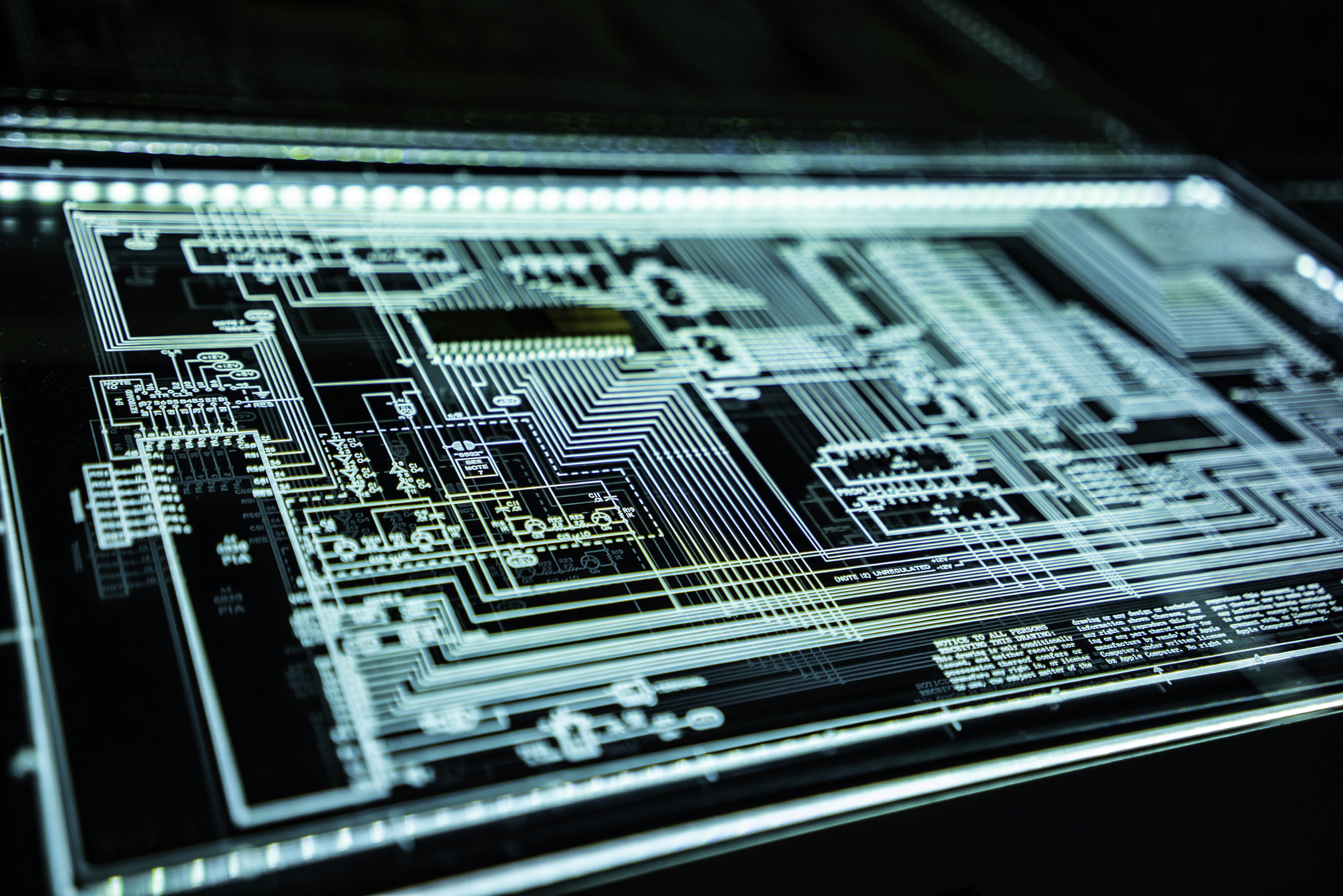
Picture it: the 1940s. A “computer” is a room-sized behemoth of whirring tapes and glowing vacuum tubes, with less processing power than the singing fish your uncle has on his wall. Here at the shop, we have a few of these ancient relics, and trust us, they make better boat anchors than calculators. The journey from that to the supercomputer in your pocket is a story of rebellion, genius, and a few happy accidents.
The Spark: Transistors and Integrated Circuits
The real revolution began with the invention of the transistor at Bell Labs in 1947. This tiny semiconductor switch replaced bulky, unreliable vacuum tubes. It was like swapping a steam engine for a V8. Suddenly, electronics could be smaller, faster, and more reliable.
Then, in the late 1950s, engineers like Jack Kilby at Texas Instruments and Robert Noyce at Fairchild Semiconductor independently developed the integrated circuit (IC), putting multiple transistors onto a single piece of silicon. This was the birth of the “microchip.” Fairchild, a legendary name you can explore in our Brand History section, became the incubator for Silicon Valley, spawning companies like Intel and AMD.
The PC Era and the Rise of Software
Intel’s creation of the first commercial microprocessor, the Intel 4004, kicked off the personal computer revolution. This led to a legendary garage-based duo, Steve Jobs and Steve Wozniak, creating Apple, and a young Bill Gates founding Microsoft. For the first time, computing power was accessible to everyone, not just governments and massive corporations. It was a wild time of fierce competition, shaping the duopolies we see today: Intel vs. AMD, and Apple vs. Microsoft.
The Connected World: Mobile and Internet
As components shrank and power grew, the action moved from the desktop to our pockets. The rise of Japanese giants like Sony, with its iconic Walkman, proved the world’s hunger for portable electronics. This paved the way for the smartphone. While many tried, Apple’s iPhone in 2007 changed everything, creating a new ecosystem of apps and services. Simultaneously, South Korean titans like Samsung and LG perfected display and memory technology, becoming the critical suppliers for this new mobile world.
This incredible journey, from room-sized calculators to globe-spanning networks, was built by the very companies we’re about to explore. Each one stands on the shoulders of these earlier giants.
🌍 The Global Elite: Unveiling the Top 100 Electronics Companies Shaping Our World
Alright, let’s get to the main event! Ranking the top 100 is a monumental task. Do you go by revenue, market value, or sheer influence? We say: why not all of the above? We’ve broken down the global power players by their home turf, giving you a tour of the world’s most innovative nations.
1. 🇺🇸 American Titans: Innovators and Market Leaders
The U.S. is the undisputed king of market capitalization, home to software-hardware hybrid behemoths that define our digital lives. They are masters of the ecosystem, locking you in with seamless software and beautifully designed hardware.
- Apple Inc.: The design icon. From the iPhone to the MacBook, Apple commands incredible brand loyalty and astronomical profits. They design their own silicon (A-series, M-series chips), giving them a massive performance edge.
- Microsoft: The enterprise and gaming juggernaut. Once just a software company, Microsoft is now a hardware powerhouse with its Surface line of computers and the Xbox gaming ecosystem.
- NVIDIA: The GPU king turned AI overlord. Originally famous for gaming graphics cards, NVIDIA’s chips are now the backbone of the artificial intelligence revolution, making it one of the most valuable companies in the world.
- Intel: The classic chipzilla. For decades, “Intel Inside” was the mark of a quality PC. While facing stiff competition, Intel remains a foundational player in the semiconductor industry, investing heavily to regain its manufacturing lead.
- AMD (Advanced Micro Devices): The comeback kid. Once a distant second to Intel, AMD’s Ryzen (CPU) and Radeon (GPU) products have become fan favorites for their performance and value, sparking a new era of competition. Check out our Brand vs Brand showdowns for more on this rivalry.
- Other Key Players: Dell Technologies and HP Inc. remain giants in the PC market. Cisco dominates networking hardware. Texas Instruments is a quiet giant in analog chips and embedded processors. Qualcomm is a leader in mobile phone chips and modems.
👉 Shop Top American Brands:
- Apple Products: Amazon | Walmart
- Dell Laptops: Amazon | Walmart | Dell Official Website
- NVIDIA Graphics Cards: Amazon | Walmart
2. 🇯🇵 Japan’s Tech Legacy: From Pioneers to Global Powerhouses
Japan was the undisputed leader in Consumer Electronics for decades. While some of its consumer-facing giants have been challenged, the country remains a technological powerhouse, especially in specialized components, imaging, and gaming.
- Sony: The master of diversification. Sony is a beast in three key areas: PlayStation (gaming), image sensors (powering cameras in countless smartphones, including iPhones), and entertainment (movies and music). They are a perfect example of a company that successfully pivoted.
- Panasonic: The industrial and battery expert. While they still make excellent consumer goods, Panasonic has become a critical supplier of batteries for electric vehicles, most notably for Tesla.
- Canon & Nikon: The imaging legends. In a world of smartphone cameras, these two still dominate the professional and enthusiast camera market with their incredible lens and sensor technology.
- Nintendo: The fun factory. Nintendo has always danced to its own beat, focusing on innovative gameplay over raw power. The wild success of the Nintendo Switch proves their formula is as potent as ever.
- Other Key Players: Tokyo Electron is a crucial supplier of semiconductor manufacturing equipment. Renesas Electronics is a major player in automotive microcontrollers. Kyocera is a diversified giant in everything from printers to ceramic components.
3. 🇹🇼 Taiwan’s Semiconductor Superstars & Manufacturing Might
Taiwan is arguably the most important country in the entire electronics supply chain. It doesn’t just host big brands; it hosts the companies that make everyone else’s brands possible.
- TSMC (Taiwan Semiconductor Manufacturing Company): The most important company you’ve probably never bought from directly. TSMC is a “foundry,” meaning they manufacture chips for other companies. Their clients? Apple, NVIDIA, AMD, Qualcomm… basically everyone. Their technological lead in advanced chipmaking is a major geopolitical asset.
- Foxconn (Hon Hai Precision Industry): The world’s workshop. As mentioned, Foxconn is the assembly king. The scale of their operations is mind-boggling, and they are the engine that turns designs and components into the finished products we use every day.
- ASUS: The PC enthusiast’s choice. From motherboards to gaming laptops and peripherals, ASUS is a brand beloved by builders and gamers for its quality and innovation.
- Other Key Players: MediaTek is a major designer of smartphone chips, competing fiercely with Qualcomm. MSI and Gigabyte are, like ASUS, top-tier manufacturers of PC components and systems.
4. 🇨🇳 China’s Digital Revolution: Emerging Giants and Global Challengers
China’s tech industry has grown at a blistering pace. From imitators to innovators, Chinese companies are now global leaders in telecommunications, smartphones, and e-commerce, though they face significant international headwinds.
- Huawei: The telecom titan. Despite facing US sanctions that have crippled its smartphone business outside of China, Huawei remains a world leader in 5G networking equipment and continues to invest heavily in R&D to achieve technological self-sufficiency.
- Lenovo: The world’s largest PC vendor. After acquiring IBM’s PC division (including the legendary ThinkPad line) in 2005, Lenovo has become a dominant force in the global computer market.
- Tencent: The social and gaming empire. Primarily a software and services company (WeChat, League of Legends), Tencent’s massive influence and investments make it a key player in the broader tech ecosystem.
- Other Key Players: Xiaomi is a major smartphone and IoT device manufacturer known for its competitive pricing. Alibaba, like Amazon, is an e-commerce giant with significant cloud and tech operations.
5. 🇰🇷 South Korea’s Tech Wave: Display, Memory, and Mobile Dominance
South Korea is a small country that punches way above its weight, thanks to a few colossal, family-run conglomerates known as “chaebols.” They are masters of manufacturing and vertical integration.
- Samsung Electronics: The everything company. Samsung is a world leader in so many categories it’s hard to keep track: smartphones, TVs (especially QLED), memory chips (DRAM and NAND flash), and displays (OLED screens for their own phones and for Apple’s iPhones). Their ability to make their own key components is a massive competitive advantage.
- LG Electronics: The display and appliance innovator. LG is Samsung’s arch-rival. While they exited the smartphone market, they are the undisputed king of OLED TV technology, providing panels to many other brands. They are also a top-tier manufacturer of home appliances.
- SK Hynix: The memory specialist. Alongside Samsung and Micron (USA), SK Hynix is one of the “big three” memory chip manufacturers that power virtually every digital device on the planet.
👉 Shop Top Korean Brands:
- Samsung Galaxy Phones: Amazon | Walmart | Samsung Official Website
- LG OLED TVs: Amazon | Walmart | LG Official Website
6. 🇩🇪 German Engineering Excellence: Precision and Industrial Innovation
German electronics may not be as flashy as their American or Asian counterparts, but they are the backbone of the industrial world. Their focus is on reliability, precision, and business-to-business (B2B) solutions.
- Siemens: The industrial automation giant. Siemens builds the complex systems that run factories, power grids, and transportation networks. Their technology is a key driver of “Industry 4.0,” the smart factory revolution.
- Bosch: The automotive and appliance powerhouse. Bosch is the world’s largest supplier of automotive components. Chances are, the car you drive has dozens of Bosch parts in it. They also produce a wide range of high-quality home appliances and power tools.
- SAP: The enterprise software leader. While primarily a software company, SAP’s enterprise resource planning (ERP) systems are the digital nervous system for hundreds of thousands of businesses worldwide, making them integral to the tech landscape.
7. 🇬🇧 UK’s Diverse Electronic Landscape: From Startups to Stalwarts
The UK’s strength lies in design, software, and specialized niche electronics, including the defense sector.
- Arm Holdings: The hidden architect of mobile. Though now owned by Japan’s SoftBank, Arm’s design DNA is thoroughly British. They don’t make chips; they design the energy-efficient processor architecture that is licensed by nearly everyone for mobile phones, including Apple, Qualcomm, and Samsung.
- BAE Systems: A defense and aerospace leader. As noted by Defense News, BAE is a major player in defense electronics, providing advanced avionics, surveillance, and control systems.
- Dyson: The consumer design innovator. Known for its high-tech vacuum cleaners, fans, and hair dryers, Dyson proves that breakthrough engineering can turn everyday appliances into premium electronic devices.
8. 🇳🇱 Dutch Innovation Hubs: Microchips and Beyond
The Netherlands is home to some of the most critical—and often overlooked—companies in the semiconductor supply chain.
- ASML: The kingmaker. This is one of our favorite companies to talk about in the shop. ASML has a global monopoly on the extreme ultraviolet (EUV) lithography machines required to produce the most advanced microchips (below 7nm). Without ASML’s machines, there is no TSMC, no Samsung, and no Intel at the cutting edge. They are a linchpin of the entire industry.
- NXP Semiconductors: The connectivity and automotive expert. NXP is a leading supplier of chips for the automotive industry, as well as secure connectivity solutions like Near Field Communication (NFC)—the tech that powers your contactless payments.
9. 🇮🇳 India’s Tech Boom: Software, Services, and Hardware Horizons
India has long been a global leader in IT services and software development, and is now making a serious push into electronics manufacturing.
- Tata Group (TCS & Tata Electronics): The diversified conglomerate. While Tata Consultancy Services (TCS) is one of the world’s largest IT service providers, the group is now investing billions into Tata Electronics to build a domestic semiconductor and electronics manufacturing ecosystem.
- Infosys & Wipro: These IT services giants are the software backbone for countless global corporations, playing a crucial role in digital transformation and enterprise tech.
10. 🏴 Scotland’s Niche: Emerging Tech and Specialized Electronics
Scotland has a vibrant and growing tech scene, particularly in specialized areas that build on its strong university research base.
- Silicon Glen: This nickname refers to the high-tech sector in Scotland, which has a history in manufacturing and is now home to innovative companies in areas like optoelectronics, sensors, and satellite technology. Companies like Rockstar North (creators of Grand Theft Auto) also highlight its strength in software and gaming.
Beyond the Top 100: Rising Stars and Regional Contenders
The world of electronics is always in flux. Keep an eye on companies from emerging tech hubs in Southeast Asia (like Vietnam and Malaysia, which are becoming manufacturing powerhouses) and Israel (a leader in cybersecurity and automotive tech). The next giant could come from anywhere!
💰 The Power Players: Understanding Market Capitalization and Revenue in Electronics
So, we’ve been throwing around terms like “market cap” and “revenue.” What’s the difference, and why should you care? Think of it like this:
- Revenue is like your annual salary. It’s the total amount of money a company brings in from sales in a year. It shows how big their business is.
- Market Capitalization (Market Cap) is like your total net worth. It’s the total value of all the company’s shares on the stock market. It reflects what investors think the company is worth and its future potential.
A company can have huge revenue but low profitability, leading to a lower market cap. Conversely, a company like NVIDIA might have lower revenue than, say, a giant automaker, but its massive potential in the AI space gives it a stratospheric market cap.
Market Cap vs. Revenue: What Do the Numbers Really Tell Us?
Let’s look at the heavyweights. The data changes daily, but the hierarchy is often clear. As noted by sources like Electronics and You, the difference can be stark.
| Company | Primary Business | Approx. Market Cap (Early 2024) | Approx. Annual Revenue | Key Takeaway |
|---|---|---|---|---|
| Apple | Consumer Electronics, Services | ~$2.7 Trillion | ~$394 Billion | King of Profitability. Converts a huge portion of its revenue into profit, driving investor confidence. |
| NVIDIA | GPUs, AI Chips | ~$2.2 Trillion | ~$61 Billion | Future-Facing. Market cap is wildly disproportionate to revenue, showing massive investor belief in its AI dominance. |
| Samsung | Diversified Electronics | ~$380 Billion | ~$234 Billion | Manufacturing Behemoth. Massive revenue from selling a vast range of products and components. |
| TSMC | Semiconductor Foundry | ~$600 Billion | ~$76 Billion | Critical Infrastructure. High market cap reflects its indispensable role in the supply chain. |
| Foxconn | Contract Manufacturing | ~$50 Billion | ~$222 Billion | High Revenue, Low Margin. Enormous sales volume but operates on thin profit margins, hence a lower market cap. |
This table shows that while Foxconn and Samsung have revenue in the same ballpark, their market values are worlds apart. This is a core concept we explore in our Electronics Brands Guides.
Key Financial Metrics of Leading Electronics Companies
When we analyze a company’s health, we look beyond the headlines. We check:
- Profit Margin: How much profit do they make per dollar of revenue? Apple is a master of this. ✅
- R&D Spending: How much are they investing in the future? Huawei and Samsung are known for pouring huge sums into R&D. ✅
- Debt-to-Equity Ratio: How much debt are they carrying? A healthy balance is key. ❌ High debt can be a red flag.
- Cash on Hand: How much money do they have in the bank? Apple famously sits on a dragon’s hoard of cash, giving it immense flexibility. ✅
Understanding these metrics helps you see which companies are built for the long haul and which might be running on fumes.
🔬 Innovation Engines: How These Companies Drive Future Tech
What separates the leaders from the laggards? One word: innovation. The companies on this list aren’t just selling products; they are actively inventing the future in their high-security R&D labs. This is where the real magic happens, and it’s a topic we love in our Innovation Spotlight series.
R&D Investment: Fueling the Next Big Thing
Research and Development (R&D) is not an expense; it’s an investment in survival. Companies that skimp on R&D are the ones that end up on the historical scrap heap (we’re looking at you, Nokia’s phone division).
- The Big Spenders: Companies like Amazon, Alphabet (Google), Meta, Apple, Microsoft, Samsung, and Huawei each spend tens of billions of dollars on R&D annually. That’s more than the entire GDP of some nations, all focused on creating the next big thing.
- Where Does the Money Go? It goes into everything from fundamental science (like Google’s quantum computing efforts) to practical engineering (like Apple shrinking the bezels on the next iPhone). It funds material science, software development, chip design, and user interface research.
Emerging Technologies: AI, IoT, Quantum Computing, and Beyond
So what are they building with all that cash? The tech that will define the next decade.
- Artificial Intelligence (AI): Led by NVIDIA’s hardware and Google’s and Microsoft’s software, AI is being integrated into everything. It powers your phone’s camera, your car’s safety features, and the algorithms that recommend your next favorite show.
- Internet of Things (IoT): This is the idea of connecting every device to the internet. Companies like Cisco, NXP, and Qualcomm are building the low-power chips and networking gear to make our homes, cities, and factories “smart.”
- Augmented & Virtual Reality (AR/VR): Meta is all-in on the metaverse with its Quest headsets, while Apple has entered the ring with the Vision Pro. This “spatial computing” could be the next major user interface after the smartphone.
- Quantum Computing: Still in its infancy, this is the holy grail. Companies like IBM and Google are in a race to build a functional quantum computer, which could solve problems currently impossible for even the fastest supercomputers, revolutionizing medicine, materials, and more.
The breakthroughs in these labs today will become the mainstream products you buy tomorrow.
🛒 Consumer Impact: How These Brands Shape Our Daily Lives
This global chess match between corporate giants might seem distant, but their decisions directly impact the device you’re reading this on, the car you drive, and the TV in your living room.
Choosing Wisely: Navigating the World of Electronics Products
When you buy a product, you’re not just buying a piece of hardware; you’re buying into an ecosystem built by these giants.
- The Apple Ecosystem: ✅ Pros: Seamless integration, high security, excellent build quality, and strong resale value. ❌ Cons: Expensive, limited customization (the “walled garden”).
- The Google/Android Ecosystem: ✅ Pros: Huge variety of hardware from many brands (Samsung, Google, Xiaomi), open-source, and highly customizable. ❌ Cons: Integration can be less seamless than Apple’s, and software update speed varies by manufacturer.
- The Windows/PC Ecosystem: ✅ Pros: The ultimate in choice and flexibility. You can get a PC from Dell, HP, Lenovo, ASUS, or build your own. Unmatched for gaming and productivity. ❌ Cons: Can be more complex and less secure than more closed ecosystems.
Your choice depends on your priorities: convenience, cost, customization, or performance.
Sustainability and Ethics in Electronics Manufacturing
Let’s be real: making electronics is a resource-intensive business. From mining rare earth minerals to the energy consumed in manufacturing, it has a significant environmental footprint. Thankfully, consumers are demanding more, and the big players are listening.
As one report notes, “Apple, for instance, has committed to using renewable energy, reducing emissions, and recycling materials in its products.” Many top companies now publish detailed sustainability reports.
- What to look for:
- ✅ Use of recycled materials (recycled aluminum, tin, plastics).
- ✅ Pledges to be carbon neutral.
- ✅ Robust take-back and recycling programs for old devices.
- ✅ Transparency in their supply chain ethics.
Choosing brands that take sustainability seriously is one of the most powerful ways you can vote with your wallet.
🔮 The Road Ahead: Challenges and Opportunities for Global Electronics
The electronics industry never stands still. It’s a high-stakes game of constant motion, and the next ten years will be a rollercoaster.
Key Challenges on the Horizon:
- Supply Chain Geopolitics: The heavy concentration of advanced chipmaking in Taiwan (specifically at TSMC) is a major point of global tension. A disruption there would send shockwaves through the entire global economy. This is why the US, Europe, and Japan are investing billions to build up their own domestic chip manufacturing.
- The End of Moore’s Law: For decades, Gordon Moore’s prediction that the number of transistors on a chip would double every two years held true. We’re now hitting the physical limits of silicon. The future of performance gains will come from clever new chip architectures (like chiplets), new materials, and software optimization.
- Sustainability and Regulation: Governments and consumers are demanding more sustainable products and practices. E-waste is a massive problem, and regulations around repairability (“Right to Repair”) and environmental impact will only get stricter.
Massive Opportunities Ahead:
- The AI Everywhere Revolution: We are only at the very beginning of the AI era. The demand for specialized AI hardware (NVIDIA, AMD, Intel) and AI-infused software will create entirely new markets and transform existing ones.
- The Green Tech Transition: The shift to electric vehicles and renewable energy is a massive opportunity for electronics companies. They provide the batteries (Panasonic, LG, Samsung SDI), the power management chips (Texas Instruments, Infineon), and the smart grid technology (Siemens) to make it all work.
- Connecting the Next Billion: While developed markets are saturated, there are still billions of people coming online for the first time. This creates huge opportunities for companies that can provide affordable, reliable devices and services.
So, who will be on this list in ten years? Will the current titans hold their ground, or will a new challenger emerge from the world of AI or quantum computing? The only certainty is that it’s going to be a fascinating ride.
✅ Conclusion: Our Take on the Ever-Evolving Electronics Landscape
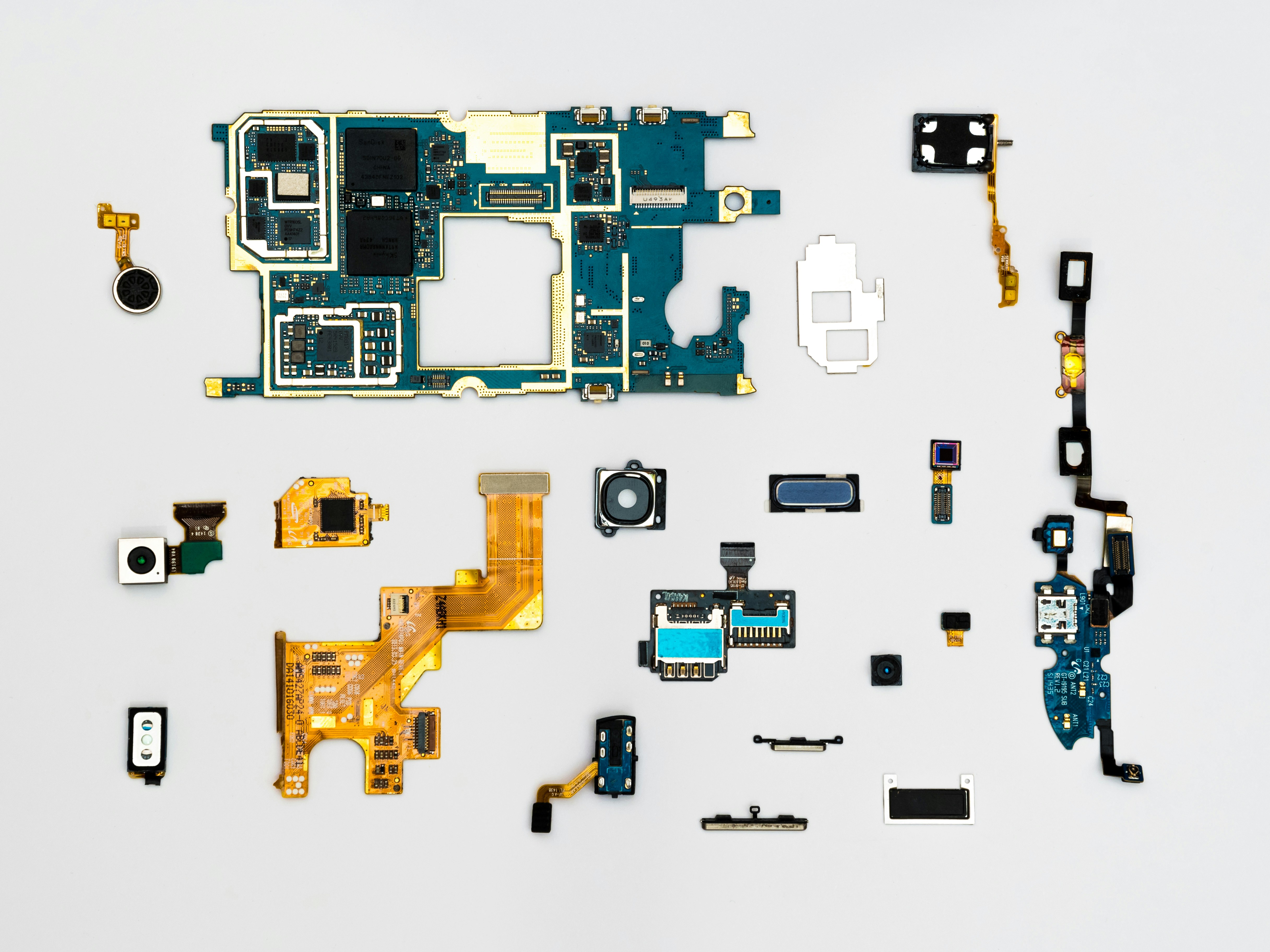
Phew! What a whirlwind tour through the electrifying world of the top 100 electronics companies in the world. From the silicon valleys of Taiwan to the innovation hubs of the USA, Japan, and beyond, these companies are the architects of our digital lives. We’ve seen how market cap and revenue tell different stories, how innovation fuels the future, and how consumer choices ripple through this vast ecosystem.
If there’s one thing we’ve learned at Electronics Brands™, it’s that no single company can claim the throne alone. The industry thrives on a complex web of partnerships, competition, and relentless innovation. Whether it’s Apple’s design mastery, TSMC’s manufacturing wizardry, or NVIDIA’s AI dominance, each player brings something unique to the table.
Remember our teaser about the “next giant”? The future belongs to those who can navigate geopolitical challenges, break through technological ceilings, and embrace sustainability. Keep an eye on emerging players and regions, because the next decade promises surprises.
So, whether you’re a consumer choosing your next device or an investor eyeing the tech sector, understanding these companies’ strengths and challenges will keep you ahead of the curve.
Ready to dive deeper? Check out our recommended links below for shopping, reading, and more!
🔗 Recommended Links: Dive Deeper into the World of Tech
Shop Top Electronics Brands & Products
- Apple Products: Amazon | Walmart | Apple Official Website
- Dell Laptops: Amazon | Walmart | Dell Official Website
- NVIDIA Graphics Cards: Amazon | Walmart | NVIDIA Official Website
- Samsung Galaxy Phones: Amazon | Walmart | Samsung Official Website
- LG OLED TVs: Amazon | Walmart | LG Official Website
- ASUS Gaming Laptops: Amazon | Walmart | ASUS Official Website
Recommended Books to Understand Electronics Industry
- “The Innovators: How a Group of Hackers, Geniuses, and Geeks Created the Digital Revolution” by Walter Isaacson — Amazon Link
- “Chip War: The Fight for the World’s Most Critical Technology” by Chris Miller — Amazon Link
- “AI Superpowers: China, Silicon Valley, and the New World Order” by Kai-Fu Lee — Amazon Link
❓ FAQs: Your Burning Questions About Electronics Companies Answered

What are the largest electronics companies in the world by revenue?
The largest electronics companies by revenue include Apple, Samsung Electronics, Foxconn (Hon Hai Precision Industry), Huawei, and Dell Technologies. These companies generate hundreds of billions of dollars annually by selling a wide range of products from consumer devices to components and services. For example, Samsung’s diversified portfolio spans smartphones, memory chips, and displays, while Foxconn focuses on contract manufacturing for many global brands. Revenue size reflects the scale of operations but not necessarily profitability or innovation leadership.
Read more about “Top 15 Electronics Companies in USA You Must Know (2025) ⚡”
Which electronics company is the biggest in the world?
By market capitalization, Apple Inc. is the biggest electronics company globally, valued at over $2.7 trillion as of early 2024. Apple’s dominance comes from its highly profitable ecosystem of hardware, software, and services. However, if you consider manufacturing scale, Foxconn is the largest in terms of volume, assembling millions of devices annually. In semiconductor manufacturing, TSMC holds a critical position as the largest and most advanced chip foundry.
Read more about “Top 100 Electronics Companies in USA You Must Know (2025) ⚡️”
What are the top electronics brands in the US?
The US is home to several top electronics brands:
- Apple: Known for iPhones, MacBooks, and ecosystem integration.
- Microsoft: Software giant with Surface hardware and Xbox gaming.
- NVIDIA: Leading GPU and AI chipmaker.
- Intel: Veteran semiconductor manufacturer.
- AMD: Competitor to Intel with CPUs and GPUs.
- Dell and HP: Major PC manufacturers.
These companies combine hardware, software, and services to create powerful user experiences.
Read more about “🎮 Top 15 Electronics Brands for Gaming & Entertainment (2025) Revealed!”
How do I choose the best electronics company for my needs?
Choosing the best electronics company depends on your priorities:
- Ecosystem & Integration: Apple offers seamless integration but at a premium price.
- Customization & Variety: Windows PC makers like Dell, HP, and ASUS offer broad choices.
- Innovation & Cutting Edge: NVIDIA and AMD lead in gaming and AI hardware.
- Value & Affordability: Brands like Lenovo and Xiaomi provide competitive pricing.
- Sustainability: Look for companies with strong environmental commitments like Apple and Samsung.
Assess your budget, desired features, and brand values to decide.
Read more about “Top 25 Electronic Brands List You Must Know in 2025 ⚡️”
What are the most innovative electronics companies in the world?
Innovation leaders include:
- Apple: Design and user experience innovation.
- NVIDIA: AI hardware and GPU technology.
- TSMC: Semiconductor manufacturing breakthroughs.
- Samsung: Display and memory technology.
- Google (Alphabet): Software and AI integration.
- ASML: Advanced lithography machines critical for chipmaking.
These companies invest heavily in R&D and often set industry standards.
Read more about “🌍 Top 12 Electronics Companies in the World to Watch in 2025”
Which electronics companies are leading in terms of research and development?
Companies with the highest R&D spending include:
- Amazon, Alphabet, Microsoft: Software and cloud innovation.
- Apple and Samsung: Hardware and ecosystem development.
- Huawei: Telecommunications and 5G.
- Intel and TSMC: Semiconductor manufacturing.
- NVIDIA: AI and GPU architectures.
High R&D investment correlates with long-term competitiveness.
What are the fastest-growing electronics companies in the global market?
Fast-growing companies often come from emerging tech sectors or regions:
- NVIDIA: Fueled by AI demand.
- TSMC: Expanding foundry capacity.
- Xiaomi: Rapid smartphone and IoT growth.
- ASML: Growing due to semiconductor demand.
- Tesla (battery and electronics division): Innovating in EV electronics.
Growth is driven by innovation, market expansion, and new technology adoption.
Read more about “Which Electronic Brand Is Indian? 🇮🇳 Top 27 You Must Know (2025)”
📚 Reference Links: Our Sources and Further Reading
- Apple Official Website
- Samsung Electronics
- TSMC Official Website
- NVIDIA Official Website
- Foxconn Official Website
- Wikipedia: List of largest technology companies by revenue
- Electronics and You: Top Electronic Companies in the World
- Defense News: Top 100 Defense Companies
- ASML Official Website
- Arm Holdings
- Microsoft Official Website
For a deep dive into the financials and rankings, these sources provide comprehensive, up-to-date data verified by industry experts and analysts.
Thanks for joining us on this electrifying journey! Stay curious, stay tech-savvy, and keep your gadgets charged. ⚡️


